Portable Oxygen Concentrators in Calgary: the caring, practical guide (and the questions families ask most)
If you’re reading this, chances are oxygen has recently become part of your world, or it’s about to. I want to say this in a simple, reassuring way: oxygen is a therapy, just like a medication. The same way you might take pills for cholesterol or blood pressure to protect your health long-term, oxygen is prescribed to help your body get what it needs.
And it’s not only about numbers on a monitor. Oxygen can help keep you safe at home, reduce strain on your heart and lungs, and—most importantly—help you feel confident being more active again. For a lot of people, it’s the difference between “I’m stuck on the couch” and “I can get up, move around, and live my day.”
(Quick note: this is general information, not medical advice. Your prescriber and care team should guide your exact oxygen plan.)
What is a portable oxygen concentrator?
A portable oxygen concentrator (POC) is a small device that pulls in room air and concentrates oxygen for you to breathe a nasal cannula. Unlike oxygen tanks, it doesn’t “run out” of oxygen the same way—it keeps working as long as it has power (battery, wall plug, or car adapter).
In normal life terms: it’s a way to bring oxygen with you so you can keep living life outside the house: errands, appointments, visits with family, and little walks that add up.
Do I need a prescription for a portable oxygen machine?
Yes, you need a prescription for oxygen therapy. In Canada, medical oxygen is treated like a drug, and it needs to be prescribed by a physician or nurse practitioner.
There can be a bit of a grey area around buying the device itself (you might see concentrators sold without a prescription being asked for at checkout). But even if you can purchase a unit, you should not self-prescribe oxygen or guess at settings. Oxygen is still a medication, too much oxygen can be harmful, and it should be monitored.
My recommendation (every time): even if you’re buying or renting a device, make sure you’re followed by a care team—often including a respiratory therapist to ensure you are set up properly, titrated appropriately, and ensure you will be safe while using the therapy.
Is portable oxygen good for you?
If you’ve been prescribed oxygen, portable oxygen can be a big quality-of-life improvement because it can help you move around with less breathlessness, reduce strain on your body, and make it easier to stay active and independent. The key point is that oxygen should match your clinical need. Some people need it all the time, others only with exertion or or during the night. Your care team can help determine what your need is.
It’s also important to know that one device doesn’t always fit every situation. You might use one setup for day-to-day portability, but need a different type of device (or configuration) for overnight use, and sometimes a different approach again for exercise or higher activity. Oxygen also often needs to be adjusted over time which is exactly where the care team comes in like Peak Oxygen.
How do I choose a good portable oxygen concentrator?
This is where I’ll be very “grandson about it”: the best unit is the one you’ll actually use, because it fits your prescription and your real life.
1) Start with your prescription (non-negotiable)
Your prescription should outline your oxygen saturation (SpO₂) goals and when you’re expected to use oxygen (rest, exertion, sleep, etc.). From there, your clinician can titrate (adjust) your oxygen settings to help you stay within that target range safely, because the “right” setting can change depending on what you’re doing.
2) Pulse dose vs continuous flow (this matters)
Many POCs are pulse dose (they deliver oxygen in small bursts when you inhale). Some people need continuous flow in certain situations or at night, and fewer truly portable units provide that. This is a key compatibility check.
3) Fit it to your lifestyle
Think about your real day:
- Quick errands vs long appointment days
- Mostly seated vs walking a lot
- Winter outings (coat, gloves, carrying options)
- Stairs, parking lots, malls—real Calgary life
4) Battery life (plan for real outings)
Battery life depends on settings and breathing patterns. Don’t choose based on a perfect-world number, choose based on:
- “Can I get through a full morning of errands?”
- “Will it last a long specialist appointment day?”
- “Do I need an extra battery to feel confident?”
- “Does it charge fast enough in-between my errands?”
5) Support matters (because real life happens)
If a device alarms or you’re unsure about settings, you want someone who can help quickly. Peak Oxygen provides 24/7 on-call support so you can reach a real person when you need it. And if your unit ever has an issue while it’s being serviced, we’ll often provide a free rental so you’re not left without oxygen support during the repair period.
What is the average cost of a portable oxygen concentrator?
Costs vary a lot by brand, performance, and included accessories (especially batteries). Most people should budget for:
- The unit itself
- Cannulas/tubing and carrying options
If cost is a concern, it’s worth discussing renting, short-term options, or matching you to the most practical unit for your needs so you don’t overspend on features you’ll never use.
What are the disadvantages of a portable oxygen concentrator?
POCs can be excellent—but they’re not perfect. Common downsides include:
- Battery dependence (charging becomes part of your routine)
- Noise (fan noise is normal; some units are louder than others)
- Not every unit fits every prescription (especially overnight needs or higher oxygen requirements)
- Cost (especially if you need multiple batteries)
- A learning curve (totally normal and most people get comfortable quickly with coaching)
- Limited to pulse dose (does not meet everyone’s oxygen needs)
None of these are deal-breakers. They’re just the honest realities so you can choose confidently.
How do I qualify for a portable oxygen concentrator (in Alberta)?
“Qualify” usually means two things:
- Clinical eligibility: your clinician determines you need oxygen and sets your goals/plan (often based on testing).
- Funding/coverage pathway (if applicable): depending on your situation, there may be provincial programs or insurance coverage that can help. The paperwork and steps can feel confusing, this is where Peak Oxygen can make it simple and complete the paperwork for you.
If you’re unsure where you are in the process, the best next step is usually simple: confirm what testing you’ve had, what your prescriber recommended, and what your goals are (safety at home, staying active, travel, etc.).
The most important part (in my opinion)
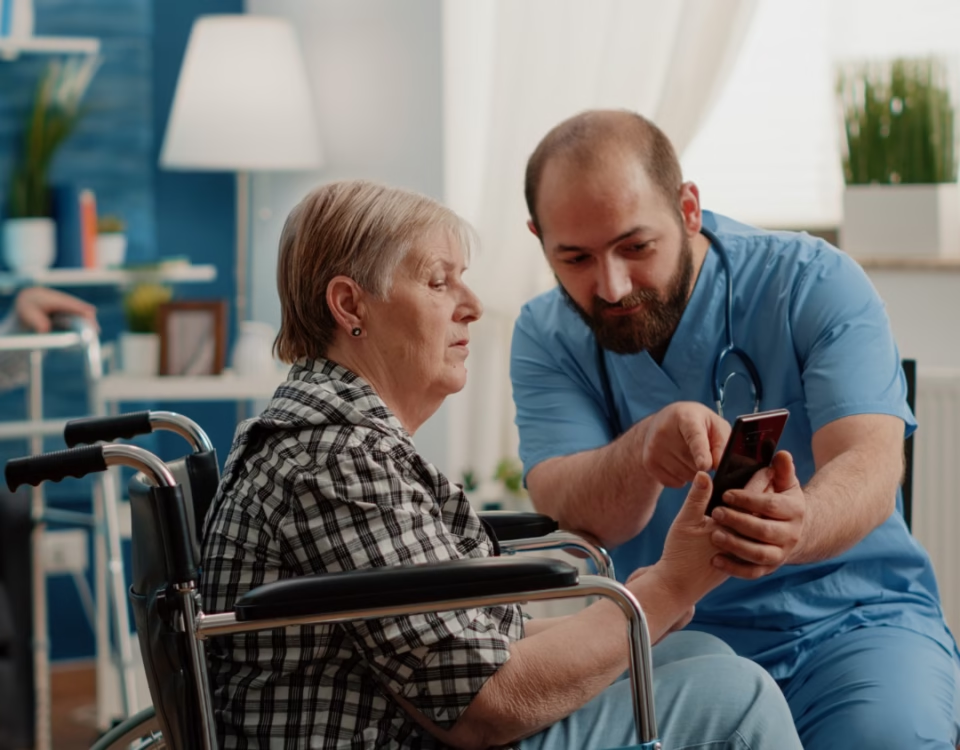
People think oxygen is just equipment. But for most families, it’s really about confidence. Confidence to leave the house, confidence to move around safely, and confidence that someone’s there if you have questions.
If you’re in Calgary and want help sorting through options, Peak Oxygen can walk you through it in plain language and help you choose something that fits your life.
By Robert Biddlecombe