How to Protect Your Lungs During Wildfire Season in Alberta
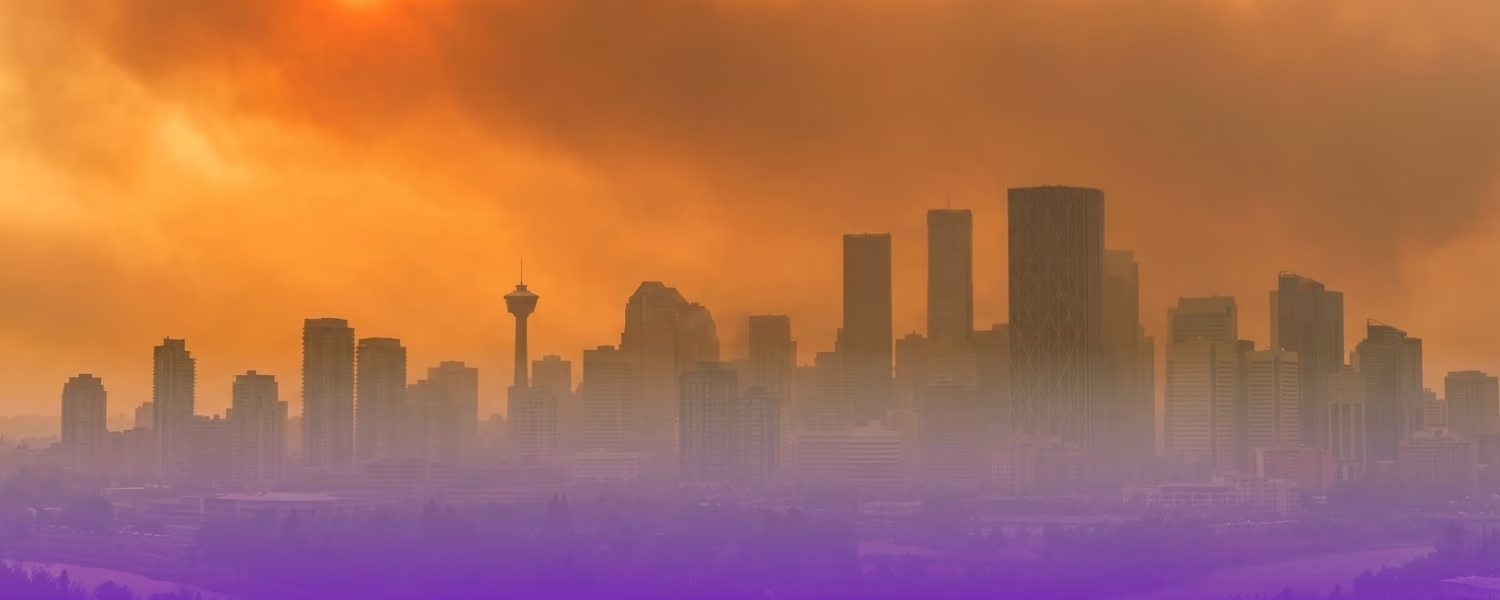
If you live in Alberta, you’ve probably noticed that wildfire smoke has become part of summer more often than any of us would like. Some days the sky looks hazy, the air smells smoky, and even stepping outside for a few minutes can leave you feeling short of breath or exhausted.
For people living with COPD, emphysema, pulmonary fibrosis, asthma, or other lung conditions, wildfire season can be especially difficult. Even simple things like getting the mail, sitting on the patio, or visiting family can suddenly feel harder.
The good news is that a few small changes can make a big difference in protecting your lungs and helping you stay comfortable during smoky days.
Why wildfire smoke feels so hard on your lungs
Wildfire smoke is filled with tiny particles that are small enough to travel deep into your lungs. When you already have a respiratory condition, your lungs are working harder to begin with, so smoke can irritate them very quickly.
You might notice:
More shortness of breath than usual
Wheezing or coughing
A tight feeling in your chest
A sore or scratchy throat
Feeling more tired than normal
Headaches or dizziness
Even people who normally feel stable can notice a big change when air quality gets poor.
Check the weather forecast and AQHI ratings
During wildfire season, it’s a good idea to check both the weather forecast and Alberta’s Air Quality Health Index (AQHI) before heading outside. Smoke conditions can change quickly throughout the day.
Some mornings may have cleaner air, while afternoons can become much smokier depending on wind and fire activity nearby.
On days when air quality is poor:
- Stay indoors as much as possible
- Avoid strenuous outdoor activity
- Keep outdoor trips short
- Reschedule errands or appointments if you can
- Plan walks or errands during times when smoke levels are lower
There’s no need to push yourself through smoky conditions. Your lungs will thank you for taking it easy.
Keep smoky air outside as much as possible
When the air outside is smoky, one of the best things you can do is keep that air from getting into your home.
On bad smoke days:
- Keep windows and doors closed as much as possible
- Avoid leaving doors open for long periods
- Run your air conditioner on recirculate if you have one
- Use a HEPA air purifier if available
- Avoid candles, smoking, or anything that adds smoke indoors
Even if your house feels a little warm or stuffy, cleaner indoor air is usually much easier on your lungs than smoky outdoor air.
Stay hydrated
Wildfire smoke can dry and irritate your airways, which may make coughing and shortness of breath feel worse.
Try to drink fluids regularly throughout the day unless your healthcare provider has told you to limit fluids for another medical reason. Staying hydrated can help keep mucus thinner and make breathing a little more comfortable.
Sometimes something as simple as sipping water more often can help your throat and lungs feel less irritated.
Take extra care of your oxygen equipment
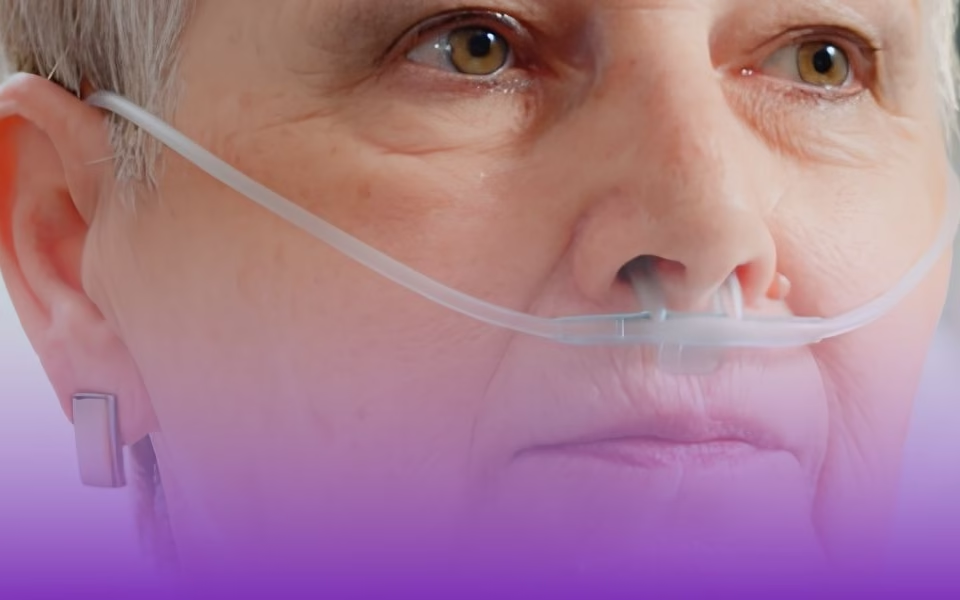
If you use oxygen therapy, wildfire season is a good reminder to check your equipment more often.
Smoke and dust in the air can affect filters and airflow over time, so it’s important to stay ahead of problems before they happen.
A few simple things to remember:
- Check and clean filters regularly
- Keep your oxygen equipment indoors whenever possible
- Make sure portable concentrators are charged
- Keep extra supplies on hand
- Let your provider know if something does not seem right
You should never feel like you’re bothering your oxygen company by asking questions. That’s what they’re there for.
Know when it’s time to get help
Sometimes smoke exposure can become more serious, especially if symptoms keep getting worse indoors.
Talk to your healthcare provider or seek medical attention if you notice:
- Significant trouble breathing
- Chest pain or pressure
- Severe weakness or dizziness
- Oxygen levels dropping lower than normal
- Symptoms that are not improving
It’s always better to check in early rather than wait too long.
You do not have to manage this alone
Wildfire season can feel frustrating and limiting, especially when you already work hard every day just to breathe comfortably. But preparation, support, and a few small adjustments can help make the season much easier to manage.
At Peak oxygen we believe oxygen care should feel simple, personal, and supportive. Whether you are new to oxygen therapy or have been using it for years, our team is here to help you through every season with reliable equipment, caring support, and respiratory care that fits real life.
By Robert Biddlecombe
June 24, 2026